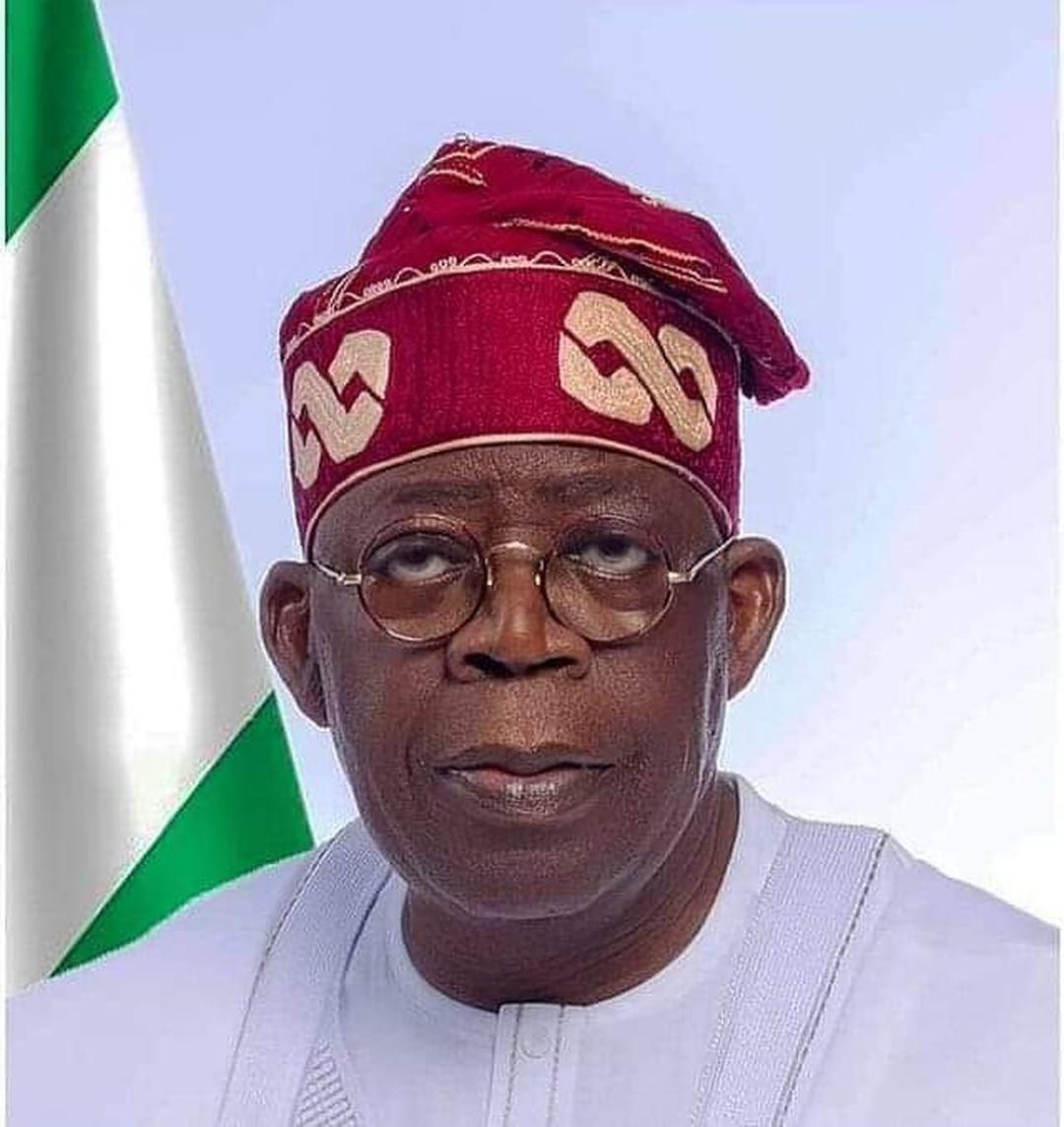
Abuja, April 24, 2026 – President Bola Tinubu has pledged Nigeria’s solidarity with Gulf states affected by escalating tensions linked to the ongoing conflict involving the United States, Israel and Iran, signalling Abuja’s intent to maintain a neutral but engaged diplomatic stance amid growing global uncertainty.
Speaking at the Presidential Villa in Abuja while receiving Letters of Credence from newly appointed ambassadors and high commissioners, Tinubu said Nigeria stood with countries in the Gulf region that had been attacked during the crisis.
He named Saudi Arabia, Qatar, the United Arab Emirates, Kuwait, Bahrain, Oman and Jordan as partners Nigeria supports in the face of recent hostilities.
“The world needs tranquillity, peace and love,” Tinubu said, adding that Nigeria would “always strive for peace and stability across the world.”
His remarks come as geopolitical tensions in the Middle East continue to reverberate across global energy markets and diplomatic alliances, with many countries seeking to balance strategic interests while avoiding deeper entanglement.
The Nigerian president’s comments were delivered during a formal diplomatic ceremony marking the accreditation of envoys from nine countries, including Qatar, Saudi Arabia, Lebanon, Sudan, Namibia, Rwanda, Somalia, Argentina, and the Republic of Congo. Such ceremonies, while largely procedural, often provide a platform for signalling foreign policy priorities.
Tinubu used the occasion to emphasise Nigeria’s commitment to multilateral cooperation and its intention to deepen bilateral ties with both African and non-African partners. He described the envoys’ arrival as coinciding with a “pivotal period” for Nigeria, pointing to ongoing economic reforms aimed at improving competitiveness and attracting foreign investment.
“My administration is undertaking bold and necessary economic reforms designed to reposition Nigeria as a globally competitive hub for investment, innovation and sustainable economic growth,” he said.
While the president did not provide specific financial figures tied to these reforms, his administration has, in recent months, implemented policies, including currency liberalisation and subsidy removal, moves that have drawn mixed reactions from investors and citizens due to their short-term economic impact.
Tinubu also reiterated Nigeria’s regional priorities, particularly its role within the Economic Community of West African States. He highlighted the defence of constitutional order, regional economic integration and efforts to stabilise the Sahel as key objectives requiring international cooperation.
“The stabilisation of the Sahel region and broader security challenges are priorities that we cannot achieve in isolation,” he said, calling for stronger collaboration with partner nations.
Beyond regional concerns, Tinubu pointed to broader global challenges, including climate change, energy transition, counter-terrorism and what he described as the need for a more equitable global financial system. He said Nigeria would continue to advocate for reforms through both bilateral engagements and multilateral platforms.
Analysts say Nigeria’s messaging reflects a careful diplomatic balancing act.
As Africa’s largest economy and most populous nation, the country maintains economic and political ties with Western powers, Middle Eastern states and emerging global players, making neutrality and strategic engagement essential.
The president also encouraged the newly accredited envoys to explore opportunities across Nigeria, positioning the country as a destination for investment and cultural exchange beyond its political capital.
On behalf of the diplomatic corps, Qatar’s ambassador, Yousef Mohammed Ahmed Mohammed Al-Hail, welcomed the president’s remarks and pledged to strengthen bilateral relations during his tenure. He said the envoys were committed to enhancing cooperation with Nigeria across multiple sectors.
The meeting underscores Nigeria’s broader foreign policy approach under Tinubu, which prioritises economic diplomacy, regional stability and diversified international partnerships at a time of heightened global uncertainty. (Business Insider Africa)