
Abuja, May 11, 2026 – The Central Bank of Nigeria (CBN) has reaffirmed its commitment to inflation targeting in the management of monetary policy in the country.
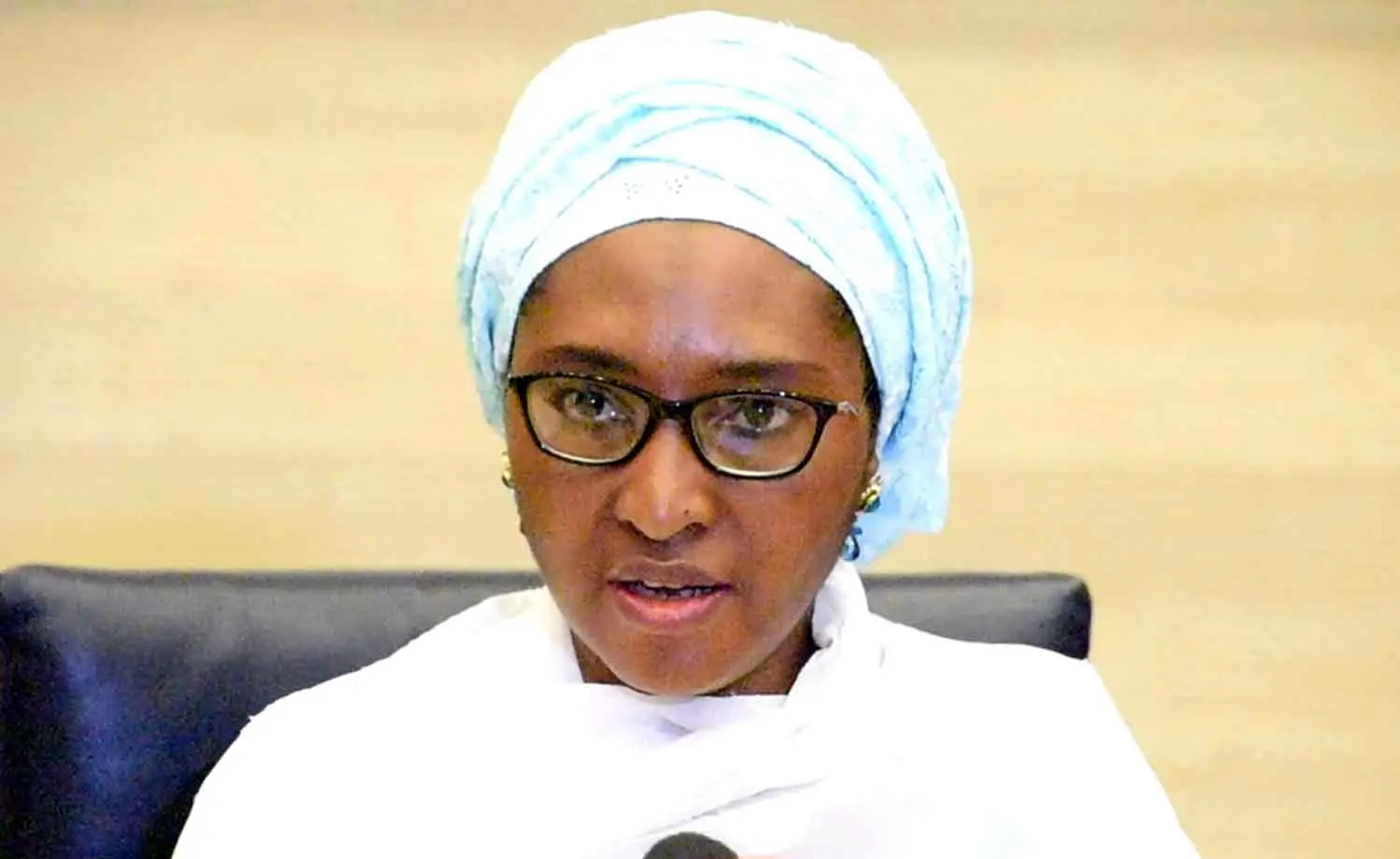
Muhammad Sani Abdullahi, a Deputy Governor of the apex bank, said this during a recent engagement of the bank with the Nigerian Governors Forum.
According to a statement issued by the CBN, the deputy governor, who is in charge of the Economic Policy Directorate, said Nigeria’s transition to inflation-targeting regime was a move toward a more transparent, rule-based, and forward-looking monetary policy system that requires strong coordination with state governments.
Abdullahi said there are several channels through which activities of state governments could affect inflation.
He said these include borrowing patterns, rising domestic debt, spending behavior, wage obligations, execution of capital projects, salary arrears, contractor financing, overdrafts, and weak coordination on Federation Account Allocation Committee, FAAC, receipts, debt servicing, and cash management.
“In an inflation-targeting regime, persistent, unpredictable, or expansionary fiscal behavior at the sub-national level can significantly undermine price stability,” Abdullahi said.
The CBN deputy governor warned state governors against unpredictable fiscal policies at the sub-national level that could frustrate efforts to achieve price stability under the country’s inflation-targeting framework.
He urged state governments to reduce dependence on overdrafts and short-term financing as well as align their borrowings with debt sustainability thresholds.
Abdullahi also advised them to improve budget realism and revenue forecasting, prioritise expenditure and better synchronise fiscal operations with prevailing macroeconomic conditions.
He said excessive supplementary budgets, unplanned expenditures and unsustainable debt accumulation could trigger liquidity shocks and intensify inflationary pressures.
Victor Oboh, the Director of the Monetary Policy Department at the CBN, earlier in his address, described inflation targeting as a “win-win framework” capable of benefiting households, businesses and governments by anchoring inflation expectations and reducing macroeconomic uncertainty.
He said price stability could not be achieved through monetary policy alone, particularly in a federal structure where sub-national spending, borrowing and liquidity decisions directly affect aggregate demand and inflation trends.
Oboh said the engagement was designed to deepen collaboration, foster dialogue and improve mutual understanding between the CBN and state governments regarding the coordination mechanisms required for the successful implementation of inflation targeting.