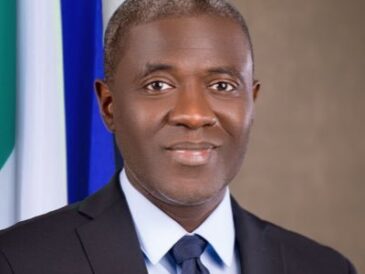
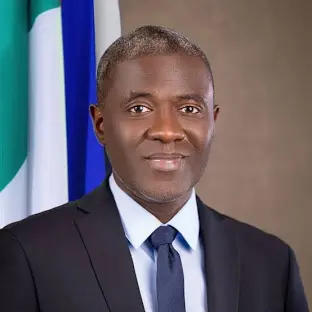
Lagos, March 13, 2025 – Dr Aminu Maida, the Chief Executive of Nigerian Communications Commission (NCC), has urged stakeholders to collaborate and build resilient infrastructure to provide equitable telecom services to all Nigerians .
He made the call in Lagos on Thursday while speaking at a stakeholder’s engagement under the auspices of the Universal Service Provision Fund (USPF) in collaboration with the ITU and supported by the UK FCDO.
He said the engagement with the theme ”Strengthening Partnership for Sustainable Telecommunication Infrastructure in the Unserved and Underserved Communities: Collaborating for Sustainable Growth”, reflected the collective commitment to ensuring equitable access to telecommunications services for all Nigerians, especially those in unserved and underserved communities.
The NCC boss said the engagement was particularly aimed at bringing key industry stakeholders together to provide valuable insights on strategies that can be adopted to enhance USPF Interventions and serve as a feedback mechanism to build partnerships for Nigeria’s digital future.
“It goes without saying that the USPF acknowledges the crucial role of collaboration, strategic partnerships and complementary efforts to achieve sustainable development,” he said.
Maida urged the stakeholders to strengthen partnerships as the evolving telecommunications landscape necessitated innovative and collaborative approaches to ensure long-term viability in delivering connectivity to unserved and underserved populations.
He said the Nigerian Communications Commission (NCC), through the USPF, had been at the forefront of initiatives aimed at providing universal access and universal service.
The NCC boss said these efforts aligned with broader national and global goals, including bridging the digital divide, promoting universal access, fostering economic growth and social inclusion, and achieving Sustainable Development Goals “SDGs 4” (Quality Education) and 9 (Industry, Innovation and Infrastructure).
“Over time, the USPF has successfully implemented several projects under its access and connectivity programmes.
“Given the focus of this event, it is important to highlight key connectivity projects such as the deployment of Base Transceiver Stations (BTS), Backbone Transmission and Infrastructure, amongst others.
“This engagement serves as a vital platform to discuss practical strategies to enhance the impact of these projects through strengthened partnerships. Withou
“Without doubt, to achieve digital inclusion, government agencies, mobile network operators, infrastructure providers, equipment manufacturers, development partners, and telecom trade groups must work closely together.”
Maida said a multistakeholder approach was, therefore, essential to explore innovative financing models to attract investment in rural telecommunications and leverage emerging technologies and alternative power solutions for sustainable connectivity.
He said the multistakeholder approach was also essential to promote policies that incentivize collaborative participation in connectivity projects. (GBN)