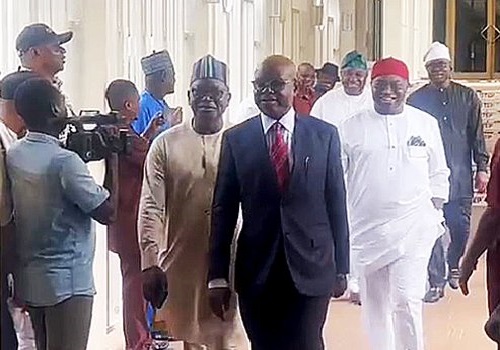
Abuja, July 14, 2026 – The Federal Government on Tuesday inaugurated a ministerial advisory committee t review its economic reforms.
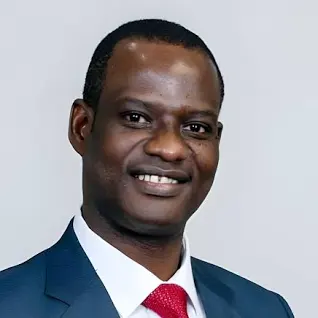
Taiwo Oyedele, the Minister of Finance, while inaugurating the committee in Abuja, said the committee is provide independent, evidence-based reviews of economic reforms being implemented by this administration.
He said the committee is also to offer external, data-driven advice to strengthen economic policymaking and ensure that reforms translate into improved living standards.
The minister also said the committee is intended to improve the quality of government decisions.
“Today is not simply about constituting another committee. It is about institutionalising a new way of thinking, a new way of solving problems, a new way of connecting ideas with implementation and strengthening the quality of economic decision-making in service of the Nigerian people,” he said.
Oyedele said the administration had embarked on economic reforms over the past three years that had imposed immediate costs on households, businesses and communities,
He said the reforms included the removal of petrol subsidies, exchange rate unification and comprehensive tax reforms.
He, however, said the reforms were necessary as sustainable development cannot be built on fiscal illusion.
“The true measure of reform is not the number of policies announced or macroeconomic indicators cited. It is the number of jobs created, inflation declining, the naira stabilising and businesses investing with confidence. It is about the number of lives improved.
“That is why this committee has been established,” he said.
Oyedele advised the committee to provide independent, constructive advice capable of strengthening government decisions, but would not exercise executive authority or duplicate the work of existing government institutions. but would instead.
“We do not need this committee to validate what we have already decided. We need you to challenge our assumptions, point out the trade-offs we might be papering over and tell us the truth we may not want to hear,” he said.
Oyedele advised members to examine the second and third-order effects of government policies, identify emerging risks before they become crises, incorporate international best practices into policymaking and provide feedback on how reforms were affecting businesses and communities
He said the work of the committee should be anchored on four pillars of economic policy advisory, public financial management, economic coordination and translating reforms into measurable outcomes
The minister said economic reforms could only succeed through effective coordination across government institutions, collaboration with state governments and stronger partnerships with the private sector
“The natural instinct in government is often to act quickly, to announce, to declare progress and to move to the next initiative. But quick actions without rigorous analysis frequently create new problems while solving old ones,” he said.