
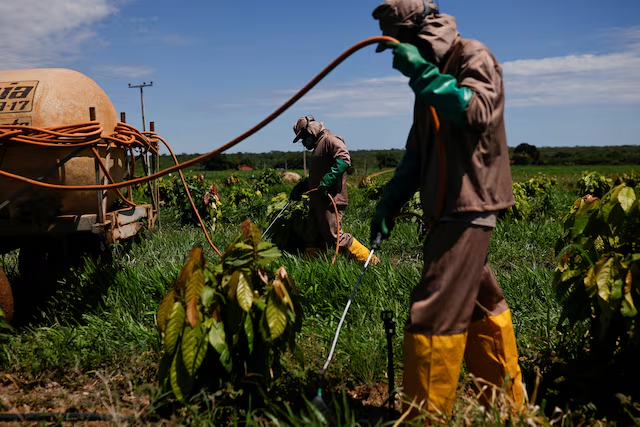
Sao Paulo, March 12, 2026 – Cocoa farmers in Brazil have slammed the brakes on new planting projects following a 70% plunge in cocoa prices from their 2024 record high, stalling growth that investors had expected would make the country a major supplier of the main ingredient in chocolate.
At current prices of around $3,000 per metric ton, farmers and analysts told Reuters they expected around half the projects in Brazil to grow cocoa on an industrial scale could be canceled.
The projects, centered in Northeastern Brazil, would have added at least some 75,000 hectares of growing area, according to an estimate by supply chain services provider Czarnikow, enough to supply nearly 5% of the global demand for cocoa.
“I think Brazil expansion plans have had a massive cold shower,” said Paulo Torres, a London-based cocoa industry advisor and cocoa farmer in Brazil’s Bahia state. Torres himself canceled a plan for an additional 30 hectares of cocoa at his farm in Bahia.
Current prices do not cover the investment or production costs of new fields, making the Brazilian projects unfeasible, he said.
The farmers and investors that planted the giant cocoa farms in Brazil, backed by big players in the industry such as Cargill (CARG.UL) and Barry Callebaut, saw them as a solution to years of supply shortages that led to skyrocketing prices.
The planned farms would have provided an alternative to the main growing region in West Africa. Ghana and Ivory Coast produce nearly 50% of global cocoa, which has left the market vulnerable to production problems there.
Unfavorable weather, illegal mining and diseases reduced West Africa production in 2023 and 2024, causing prices to spike from an average $2,500 per ton to more than $11,000 per ton and generating panic in the industry.
Cocoa traders scrambled to source beans. Smuggling rose sharply in Africa with people bypassing official government buying to sell across the border at higher prices. The chocolate industry raised prices to offset spiraling production costs.
African production has since recovered, and other geographies such as Ecuador have increased production.
At the same time, consumers have cut back on buying expensive chocolate, and small cocoa farmers in Brazil have not been making money.
A group of them last month blocked a road leading to the Ilheus port in Bahia, setting old tires on fire, to protest the arrival of imported cocoa from Africa.
After that, Brazil’s food supply agency Conab suspended any imports of cocoa from Ivory Coast.
Weight-loss drugs have further curbed demand, and the industry has reduced package sizes and turned to non-cocoa ingredients, such as artificially flavored palm oil butter, hitting demand for the beans and exacerbating the cocoa price crash.
Cadbury-parent Mondelez has taken several rounds of price hikes to offset the surging costs of cocoa, in turn denting demand