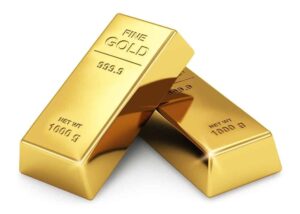
Washington, 2, 2025 – Gold prices, considered a safe-haven asset to replace the dollar, have surged to record highs, with global central banks significantly increasing their gold purchases.
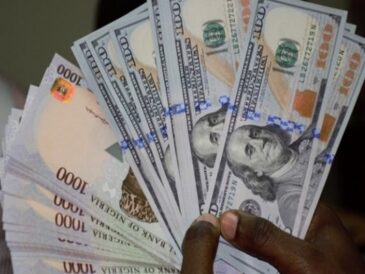
Consequently, the US dollar’s share in central banks’ foreign exchange reserves has fallen to a 30-year low, while gold’s share is nearing its highest level in over two decades.
On the 1st, December gold futures on the New York Mercantile Exchange closed at $3,897.5 per ounce, marking an all-time high.
Spot gold prices also hit a record high of $3,895.09 per ounce during trading.
This surge is attributed to the US federal government entering a shutdown (temporary work stoppage) for the first time in seven years, boosting demand for gold as a safe-haven asset.
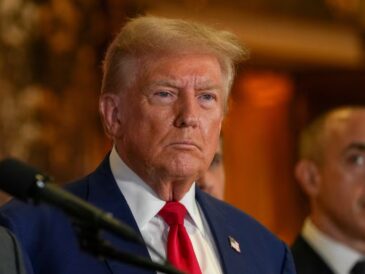
Additionally, analyses suggest that the dollar’s depreciation—driven by President Donald Trump’s global tariff negotiations, large-scale fiscal spending, and pressure on the Federal Reserve to cut interest rates—is further elevating gold prices when converted into dollars.
Central banks worldwide are stockpiling gold. According to a report by the European Central Bank (ECB), gold’s share in countries’ foreign exchange reserves, which remained in the low 10% range before the COVID-19 pandemic, rose to 20% by the end of last year.
The ECB noted: “This is approaching the highest level since 2000.”
Notably, the People’s Bank of China, a representative central bank of emerging economies, purchased an additional 21 metric tons this year, expanding its total holdings to just over 2,300 metric tons.
In a recent survey by the World Gold Council (WGC), 95% of 73 central banks responded that their gold reserves would increase in the future.
Conversely, as the dollar’s value declines, its share in central banks’ foreign exchange reserves is shrinking.
According to an International Monetary Fund (IMF) report, the dollar’s share in central banks’ reserves fell to 56.32% in the second quarter of this year (April–June), down 1.47 percentage points from the previous quarter (57.79%).
This is the lowest figure in 30 years since the IMF began publishing related statistics in the fourth quarter of 1995.
The IMF said: “The dollar index, which measures the dollar’s value against six major currencies, plummeted by over 10% in the first half of this year alone.”